
Monterey used to be a place where beautiful cars gathered beside the ocean. It still is, except now some of the numbers coming off the auction block look like the defense budget of a country with a surprisingly ambitious navy.
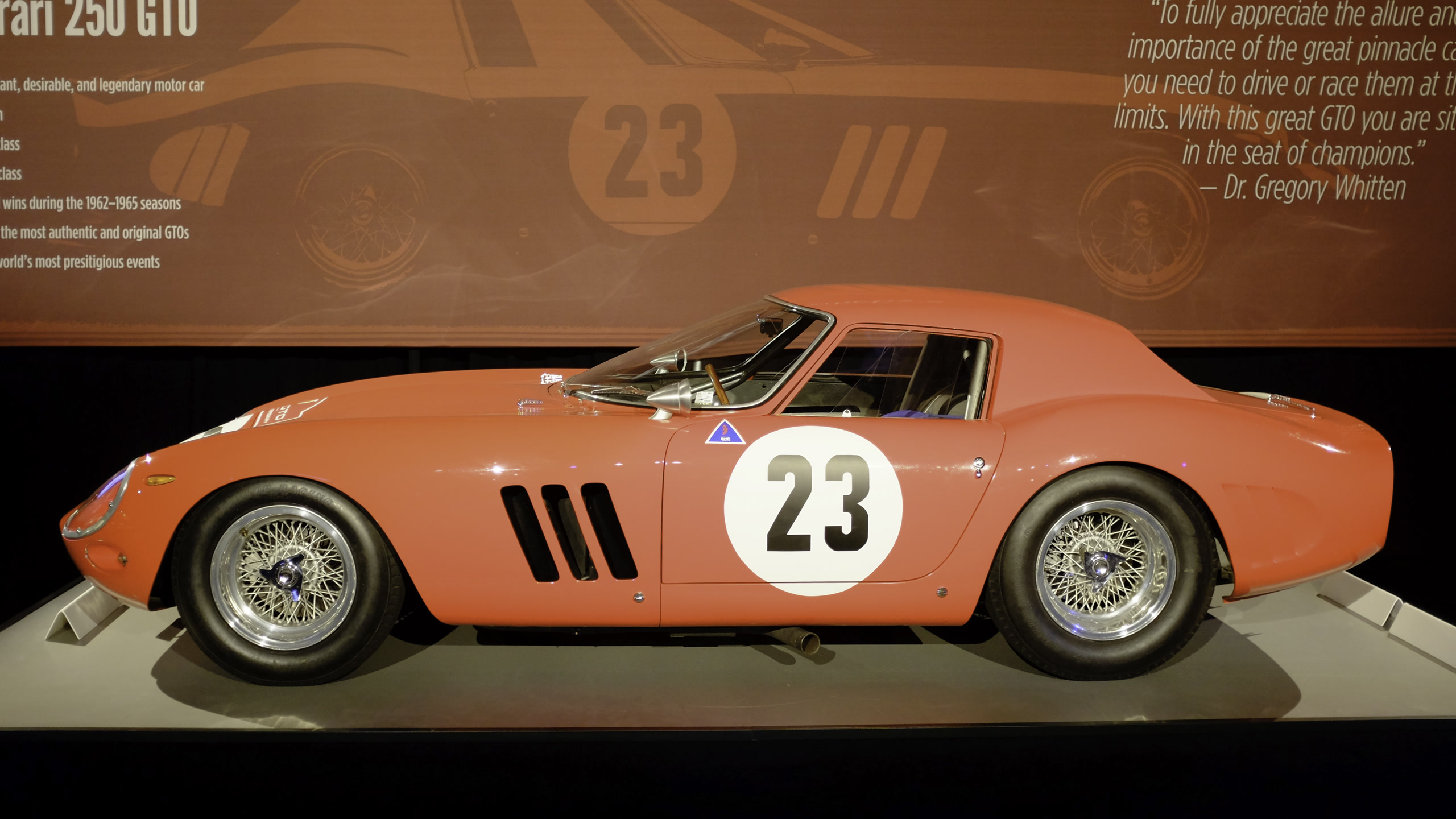
A $34,655,000 McLaren. A $42,905,000 Cobra Daytona Coupe. A brand-new electric Ferrari selling for $40 million. Somewhere, a calculator asked to be reassigned to something less stressful, like calculating the national debt.
Yes, the 2026 results were extraordinary. But before you add another zero to the asking price of the car under your cover, we need to distinguish the market from the fireworks.
The numbers really are that ridiculous
RM Sotheby’s reported more than $380 million from its Monterey sale, with a 90 percent sell-through rate and 69 cars exceeding $1 million. Gooding Christie’s reported more than $159 million at Pebble Beach, up 24 percent over its previous year, with 158 lots sold and a 94 percent sell-through rate. These are the houses’ published results, not a collection of wishful asking prices.
That is serious buying, not merely a roomful of people admiring upholstery and declining to raise their paddles.
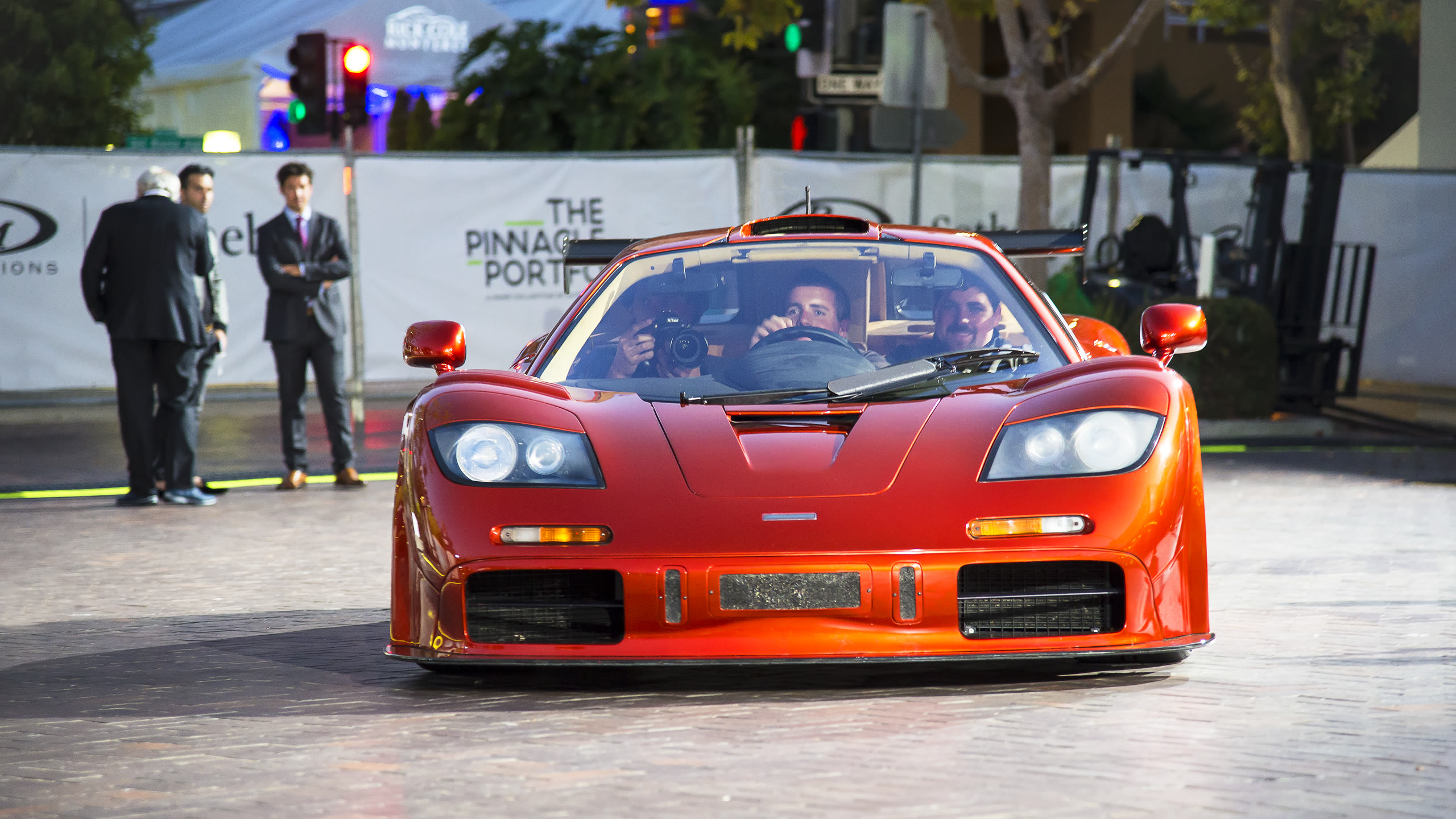
Gooding’s headline was the ex-Carroll Shelby 1964 Cobra Daytona Coupe at $42,905,000, an all-in result. RM’s 1996 McLaren F1 GTR, chassis 10R, brought $34,655,000. The McLaren’s history included factory development, conversion for road use and long ownership by Pink Floyd’s Nick Mason. You were not buying the automotive equivalent of a slightly unusual trim package.
Both prices are astounding. Neither gives every vaguely related car permission to start wearing a monocle.

The Ferrari-sized asterisk
Then there was the $40 million Ferrari Luce.
Whatever your feelings about an electric Ferrari, and I suspect the room has opinions, this particular result needs a label larger than the charger. RM identified it as a charity sale benefiting educational initiatives through The Ferrari Foundation. The lot’s buyer’s premium was waived. It was also the first production chassis, not an ordinary showroom transaction.
That combination matters. A charity auction can contain generosity, exclusivity and the thrill of a very public contest in quantities that do not appear on a normal window sticker.
Treating that result as the retail value of the model would be like using the winning bid at a charity dinner to establish the national price of chicken.
Celebrate the fundraising. Debate the car. Just don’t confuse the two when drawing a market chart.
Bigger totals, different ingredients
CLASSIC.COM’s August report tracked $1.01 billion in auction sales, up 51 percent year over year, while the number of sold listings slipped 1.2 percent. Its own Monterey tally was $751.3 million. Different tracking services can produce different totals; a consistent methodology matters more than stitching together the largest numbers from several headlines.
The useful observation is the imbalance. Money accelerated much faster than transaction volume. That should make anyone pause before declaring that everything with four wheels has suddenly become a retirement strategy.
An average can rise because the same sorts of cars became more expensive. It can also rise because this year’s catalog contained more expensive sorts of cars. Those are different stories, even if the champagne tastes identical.
Put a handful of world-class rarities into the same week and the headline gets taller. That tells us what serious buyers did for those particular opportunities. It does not tell us that every restoration project hiding behind a lawn mower enjoyed the same afternoon.
Provenance is doing a lot of heavy lifting
Look at the details attached to the biggest names: competition significance, original identity, exceptional specification, documented ownership, unusual survival. Those are attributes of individual cars, not benefits automatically conferred by the badge.
That distinction is where the hobby becomes interesting again.
Two cars can share a year and model while offering profoundly different ownership propositions. One has coherent records and a convincing history. The other has a flattering photograph, a freshly printed certificate and a seller who treats every direct question as a personal insult.
A beautiful restoration can be desirable. A largely original survivor can be desirable. A properly disclosed modification can be desirable. Trouble begins when the description tries to pass one thing off as another, or when the price assumes all three deserve precisely the same audience.
Paint photographs beautifully. A documented identity requires actual reading. Unfortunately, reading has never looked quite as exciting on a giant screen behind an auctioneer.
The part nobody puts on the poster
Even those strong house sell-through figures were below 100 percent. A spectacular weekend still contained cars that did not find buyers in the reported sale.
That does not automatically make them bad cars. The reserve may have been ambitious, the audience wrong, the timing unhelpful or the story insufficiently explained. Without the individual evidence, pretending to know which is just gossip wearing a spreadsheet.
For an owner considering a sale, the sensible starting point is the actual car: comparable completed transactions, condition, specification and documentation. An auction is one route. A private sale is another. Neither becomes the correct answer merely because the loudest result of the weekend happened under a chandelier.
And a buyer has to account for more than the number on the screen. Fees where applicable, transport, inspection and the work a car may need belong in the real cost of ownership. Romance is welcome. Arithmetic should still be invited.
Buy the car, not the collective hallucination
I love the excitement. I love seeing significant machinery command the attention it deserves. There is something wonderful about people caring this fiercely about engineering, design and the history those things carry.
What worries me is when enthusiasm turns into a contagious assumption that the next buyer will always be more excited, richer and less interested in checking the paperwork.
Monterey delivered remarkable prices in 2026. The lesson is to understand what made those specific cars remarkable, not to assume every garage has become a branch of the Federal Reserve.
The best reason to own a collector car is still that the thing moves you. Ideally, it also moves under its own power.
Everything after that deserves a little less theater and a much better filing cabinet.
Reference: Historical header photograph: original, attribution and license.