
McLaren has found another place to worry about weight, structure and the consequences of a small mistake: the golf bag.
The company's first McLaren Golf irons, Series 1 and Series 3, were unveiled in Miami on April 29, 2026, with sales beginning the following day. This is not a car review with a golf accessory bolted onto the end. It is a dedicated equipment venture, developed by golf specialists and engineers, with support and consultation from 8AM Golf.
For enthusiasts who appreciate the thinking beneath a supercar's bodywork, the interesting part is the construction.
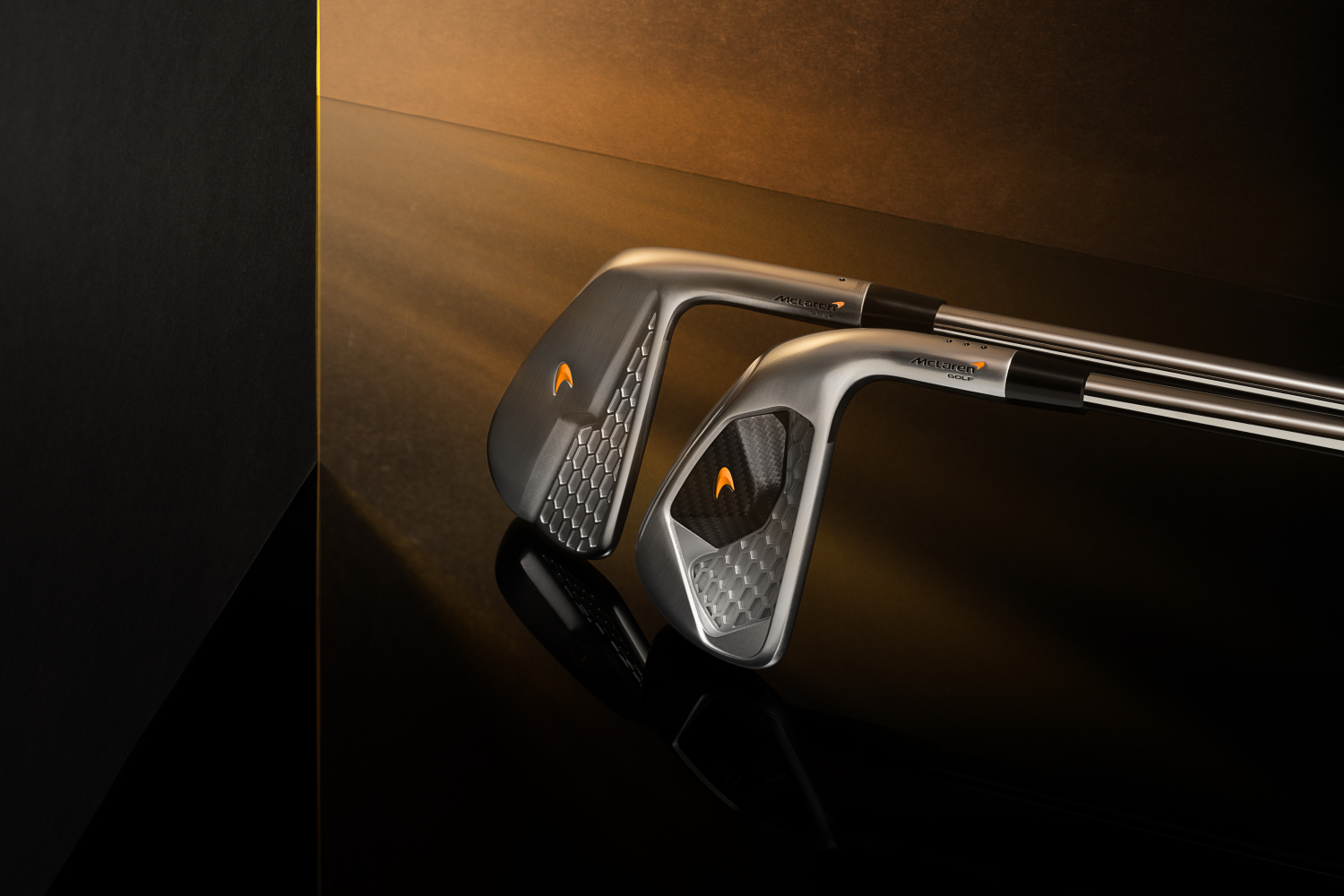
McLaren Golf uses Metal Injection Molding, or MIM. The company says this process gives its engineers control over material composition, internal geometry and where mass sits within the head. Those are familiar priorities in a performance car, translated into a very different job: making an iron behave predictably when it meets a golf ball.
That does not mean a badge can lower a handicap. It means there is an engineering story worth examining before dismissing these as merchandise.
Two irons, two briefs
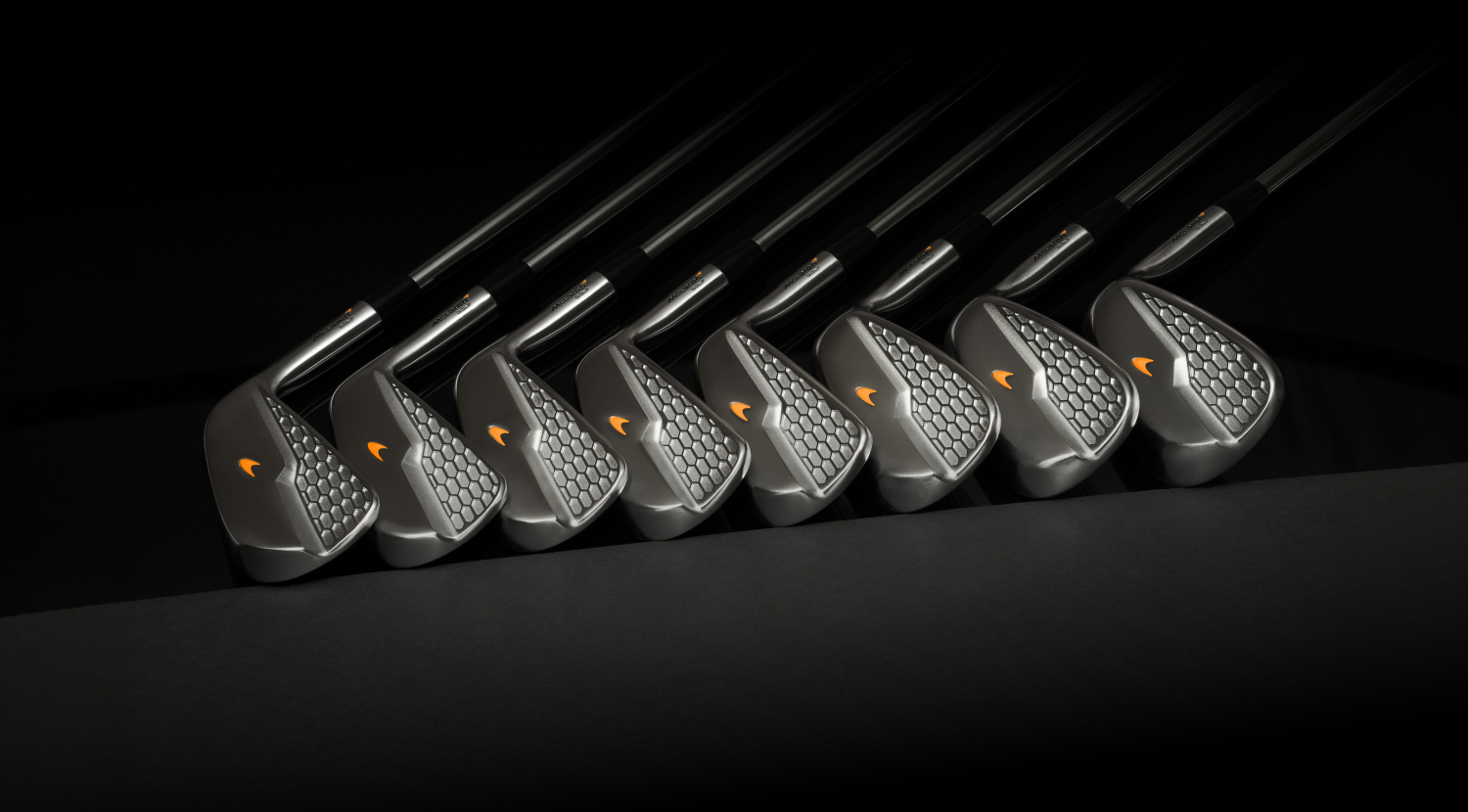
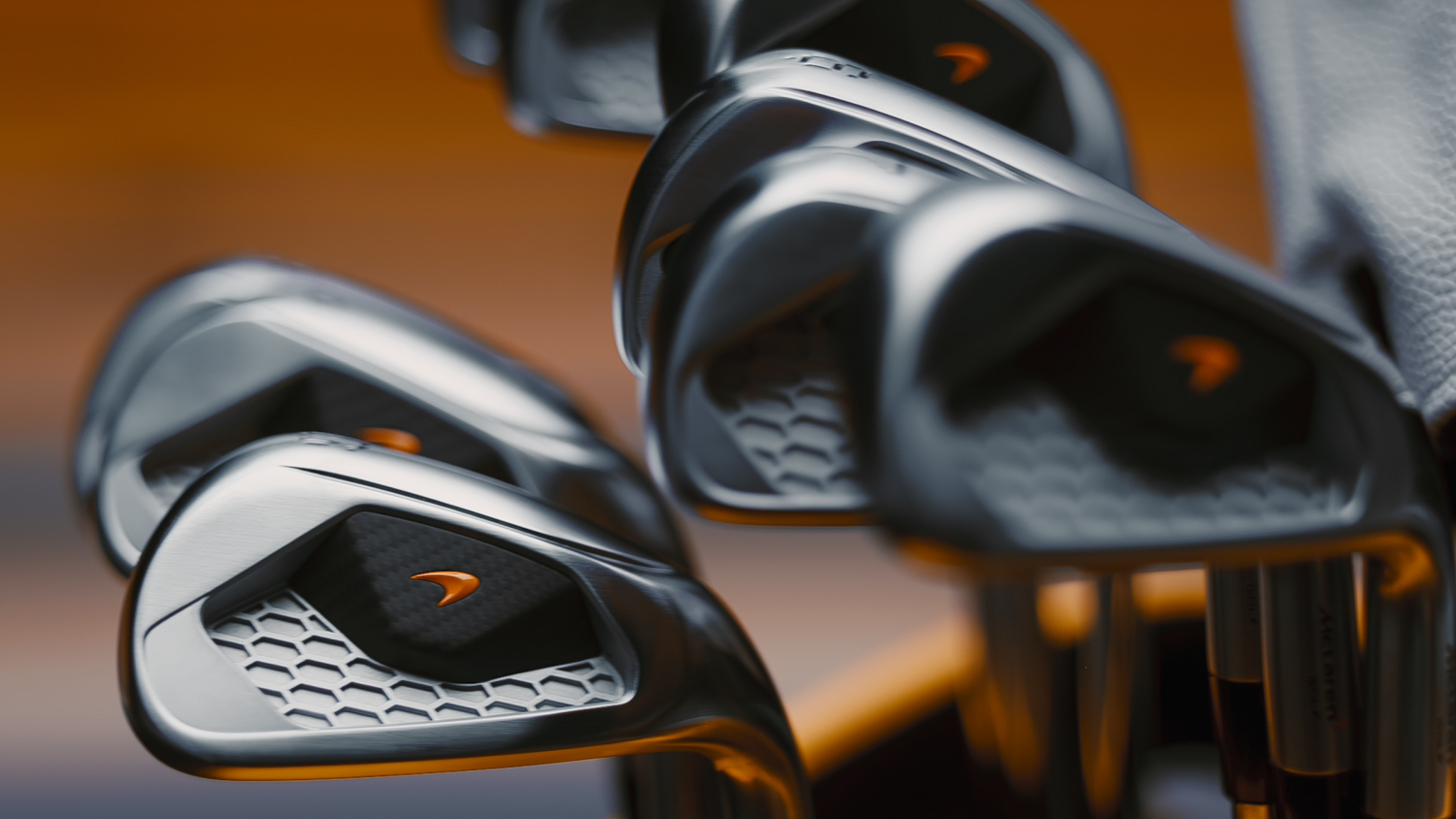
Series 1 is the more compact, tour-oriented design. Its muscle-cavity construction combines tungsten weighting with a honeycomb-style structure McLaren calls Structural Mesh. The manufacturer describes individually tuned centers of gravity across the set, aimed at delivering the control better players look for.
Series 3 takes the player's-distance route. Its MIM frame includes a carbon-fiber “bonnet,” a pleasingly automotive choice of language for a component the company says helps manage vibration and houses calibration weights. A heel-cut sole is intended to help the club move through turf.
The useful comparison is not horsepower. It is how differently engineers can configure two products around the same broad idea. One emphasizes a compact profile and shot control; the other puts more emphasis on distance and forgiveness. Neither brief is automatically the right one for every golfer.
People, not just paint
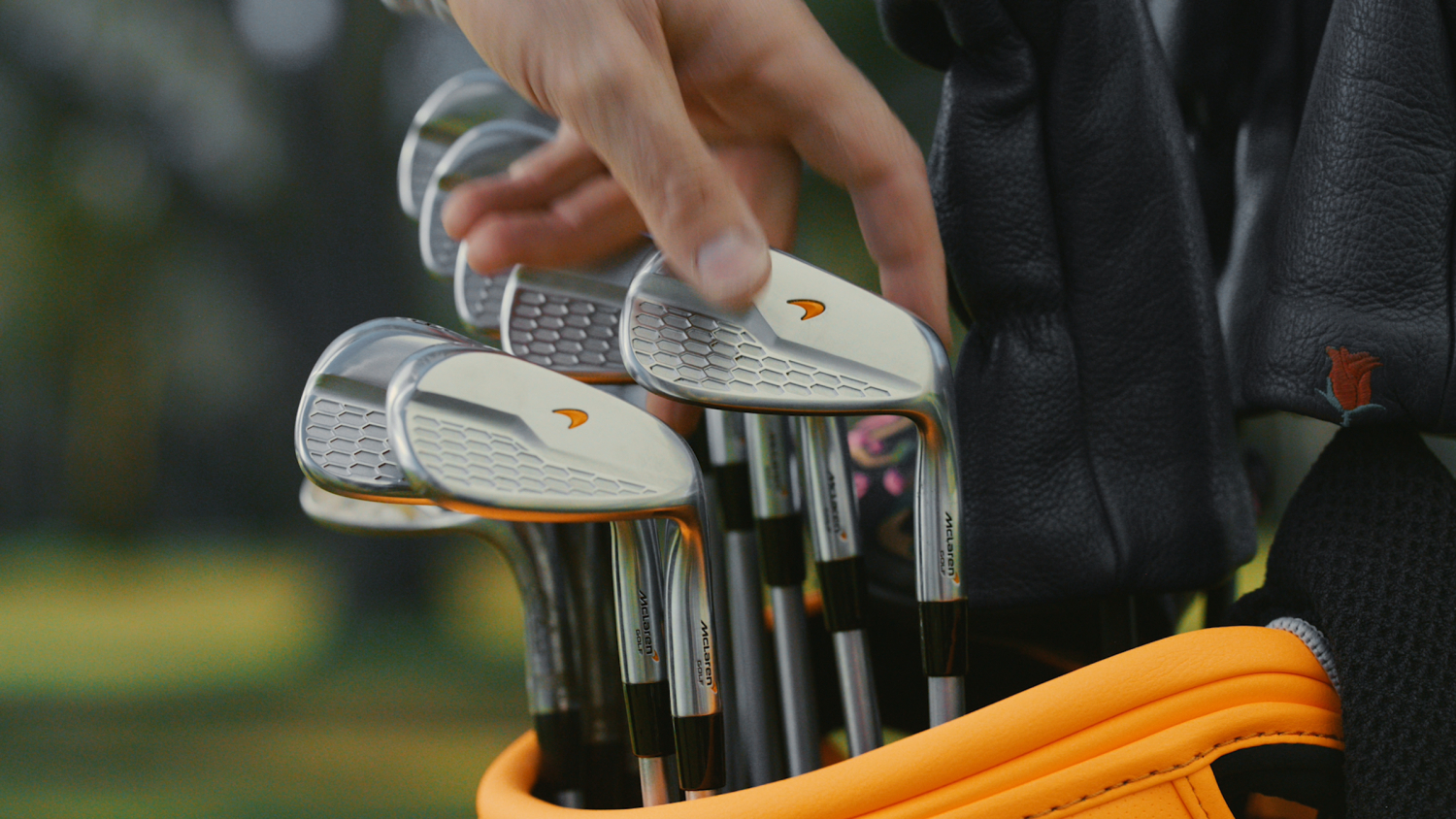
Justin Rose helped develop the equipment and was announced as an investor and ambassador, alongside Michelle Wie West and Ian Poulter. McLaren's launch material describes nearly two years of involvement from Rose. That gives the project a golf-world foundation beyond an appealing name on the clubhead.
The operation spans the McLaren Technology Centre in Woking and Carlsbad, California, an established center of the golf-equipment industry. The geography makes the proposition clear: bring the engineering identity to the people who understand the game.
At launch, the irons were priced at $375 per club in the United States and £360 per club in the United Kingdom. Those are April 2026 launch figures, not a quotation for a configured set today. By November, McLaren Golf's site also lists Series 1 Black and Series 3 Black, with diamond-like carbon finishes.
The sensible test drive
A golfer should approach these irons much as a thoughtful driver approaches a performance car: admire the construction, then see whether the machine suits the person using it.
For clubs, that means a proper fitting, checking carry gaps, dispersion and the result of imperfect strikes. A handsome carbon component is interesting. A set that gives you the right distances consistently is useful.
We have not independently tested these irons. The engineering and performance descriptions here come from McLaren's published materials, rather than a road-test-style verdict on the course.

Still, for the Motorcar Society reader whose weekends alternate between a favorite road and a favorite fairway, this is a genuinely relevant crossover. The next McLaren in the garage might not need its own parking space.
Sources: McLaren's April 29, 2026 launch announcement and official McLaren Golf product pages, checked November 10, 2026. Launch prices are historical; confirm current specifications, pricing and availability with McLaren Golf.
The header is an AI-generated editorial cartoon of an imagined scene, not a photograph or a suggestion for transporting clubs. Product photographs are supplied by McLaren for editorial use.
Reference: McLaren official launch announcement and editorial photographs.