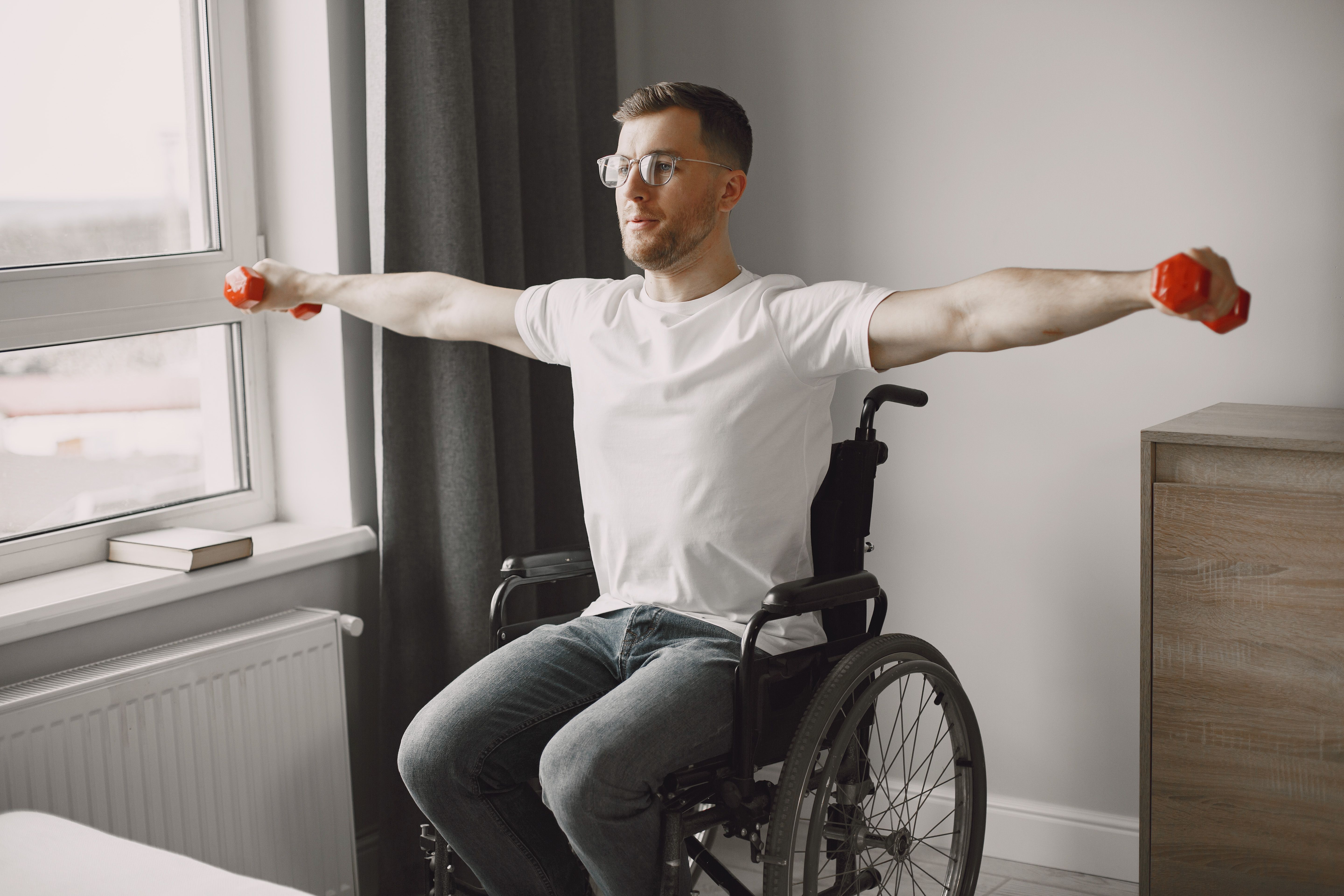

Adults living with disabilities, along with family members, caregivers, and rehab professionals supporting them, often want to prioritize health but hit real barriers in gyms, classes, and everyday routines. Movement can help, yet pain flare-ups, fatigue, accessibility gaps, and fear of injury can make fitness feel uncertain or out of reach. Adaptive fitness options and inclusive exercise programs can meet bodies where they are and make progress feel possible.
Editor's note: This article provides general information, not an individualized exercise or treatment plan. A healthcare professional or qualified adaptive exercise specialist can help identify activities and adaptations appropriate to your health, mobility, and access needs. Follow any existing clinical advice, including activity or fluid restrictions.
Understanding Exercise Benefits and Smart Adaptation
Exercise with a disability is less about copying a standard routine and more about choosing movement that fits your body and your day. The goal is to support mobility, strength, stamina, and confidence using three guiding principles: accessibility, safety, and gradual progression.
These principles matter because barriers are real. Regular physical activity can offer health benefits, but what is suitable, achievable, and helpful varies from person to person. Think of it like adjusting a recipe: you keep the purpose but change the ingredients and portion size. A seated strength session with bands may be a useful version of training when the setup is stable and the movements suit your needs.
Build a Morning Routine That Makes Workouts Easier to Keep
Once you understand how to adapt exercise to your body and goals, a steady routine can make it easier to follow through. Use this time to prepare for the day, plan for your energy needs, and choose a simple cue that helps you begin with confidence. Morning is only one option. Choose a time that works with your symptoms, responsibilities, and preferences.
Choose Your Next Activity: Sports, Workouts, Gear, and Safety
A good workout plan should fit your body and your day. Consider these options with the professional supporting your exercise plan, rather than treating them as a universal prescription.
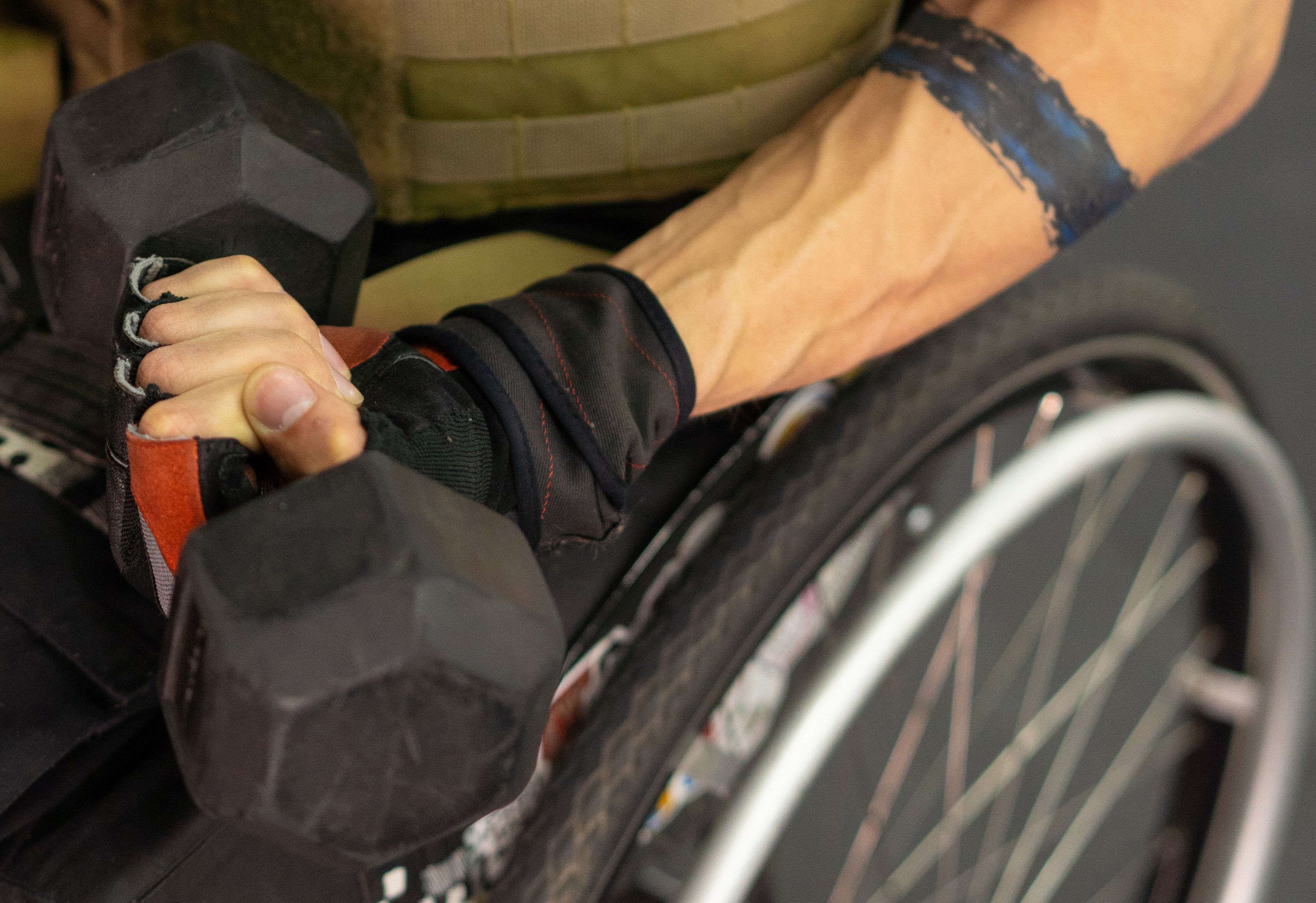
Pick a today-friendly workout. Choose an activity that matches your current energy and abilities, whether that is a short mobility session, adapted strength work, or an accessible aerobic activity. Keep a short list of suitable modifications, such as seated or supported positions. Some days, rest or a change of plan is the appropriate choice.
Explore accessible cardio. Depending on your needs, possibilities may include wheelchair rolling, arm cycling, recumbent cycling, water-based activity, or seated dance. Choose a safe setting and a duration and intensity suited to you. Hard intervals are not necessary for everyone and should not be added simply because a generic routine recommends them.
Adapt strength work to your setup. A qualified instructor can help choose suitable movements, resistance, supports, and recovery time. Seated presses, supported rows, or sit-to-stand exercises may be options for some people, but no exercise is appropriate for every disability. Prioritize stable equipment and controlled movement rather than pushing through pain or fatigue.
Try an adaptive sport that interests you. Adaptive cycling, wheelchair basketball or tennis, seated volleyball, rowing, swimming, and handcycling offer different ways to be active. Ask local programs about accessibility, equipment, coaching, and assistance with transfers before attending. Start with a manageable skill or introductory session rather than a demanding schedule.
Use assistive fitness equipment to solve a real problem. Grips, gloves, adapted equipment, and timer cues can make an activity easier to access. Check fit and skin contact, and get help choosing supports when needed. Wearable readings may not accurately reflect every activity or condition, so they should not replace your symptoms or professional guidance.
Follow a safety routine. Begin gently in positions that suit you, and increase demands gradually. Stop exercising if you develop unusual or worsening pain, new numbness or tingling, dizziness, swelling, or skin irritation. Seek appropriate medical advice rather than trying to work around new symptoms. Chest pain, fainting, or severe breathing difficulty require urgent medical attention. Keep brief notes about what felt comfortable and what needs adjusting.
When you have a few suitable activities, helpful equipment, and a practical safety routine, it becomes easier to handle motivation dips and make informed choices for a home setup.
Adaptive Fitness Questions People Ask Most
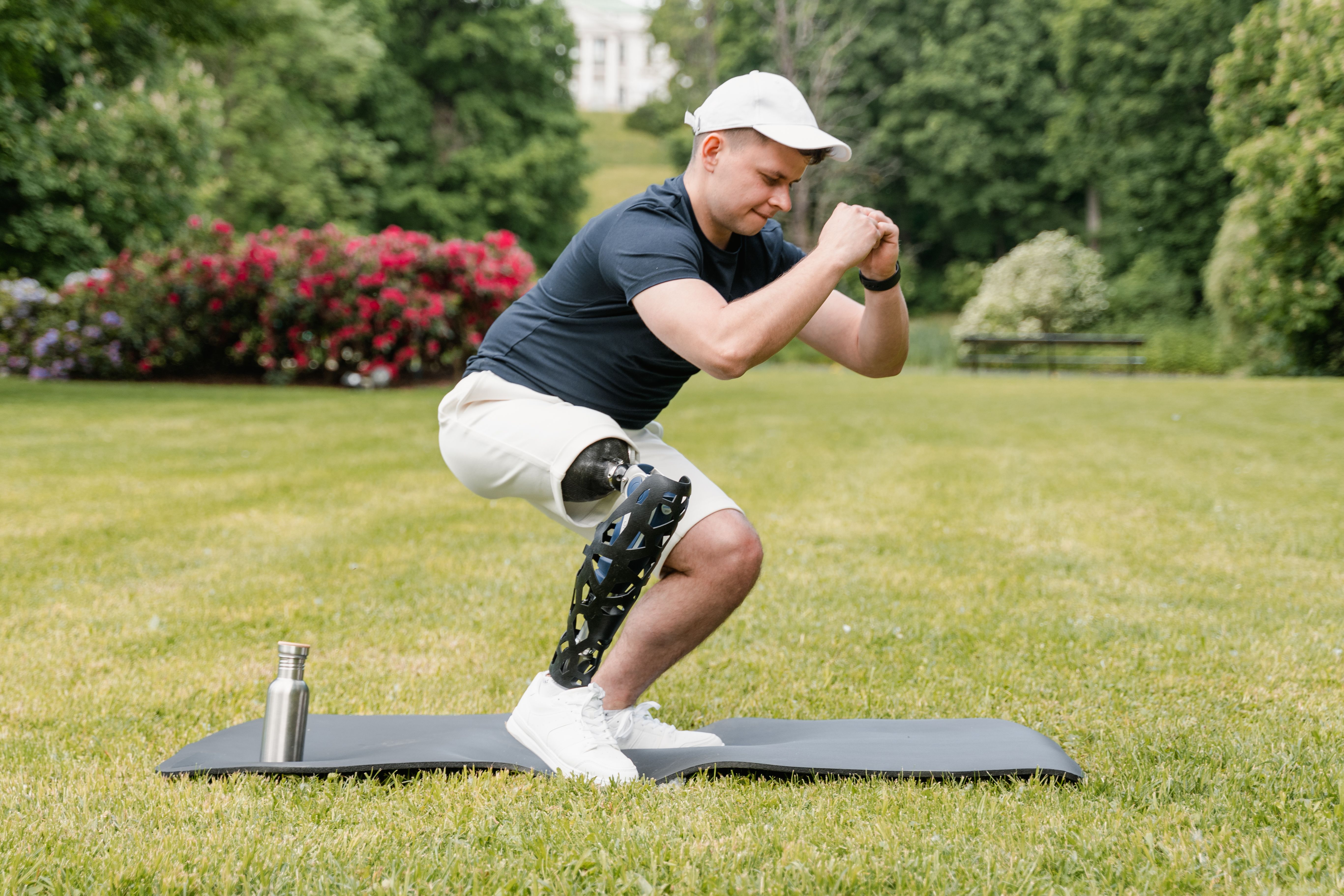
Q: How do I stay motivated when my energy or symptoms change day to day? A: Make the goal a flexible routine rather than perfection. On a suitable day, a short session may feel manageable. On another day, recovery may take priority. Track a useful personal measure, such as comfort, enjoyment, or completing a planned activity, rather than comparing your progress with someone else's.
Q: What should I do if pain flares up mid-workout? A: Stop the activity and assess what is happening. Do not push through sharp, new, or escalating pain, or assume switching exercises makes it safe to continue. Follow your existing care plan and seek professional advice when symptoms are new, persistent, or concerning. Record what triggered the problem so your plan can be adjusted.
Q: How can I modify exercises without feeling like I am cheating? A: A modification is a strategy, not a shortcut. The purpose is movement that works for you. Suitable supports and adapted equipment can improve access and control. Progress can mean better comfort, confidence, or consistency, not just more resistance.
Q: When is the right time to increase weight or intensity? A: Progress depends on your condition, recovery, technique, and goals. Review changes with the professional guiding your plan when needed. Change one element at a time and pay attention to delayed symptoms as well as how you feel during the session. There is no single timetable that fits everyone.
Q: What is a realistic home gym setup on a tight budget and limited space? A: Start with the activity you want to do and the access you need. Resistance bands, light weights, or a stable chair may be useful for some people, but check suitability and safe setup first. Allow room for mobility aids and transfers. Buy equipment that solves a specific need rather than building a collection you will not use.
Build Consistent Progress with Inclusive, Adaptive Fitness Habits
Fitness can feel like a negotiation with pain, fatigue, time, access, and equipment. Accessible activities and flexible expectations keep the focus on what is possible today. Progress is less about pushing through and more about adapting, recovering, and returning when appropriate. Consistency grows when workouts fit your body, your life, and your access needs.
By Scott Sanders. Edited for clarity and general exercise safety. Photographs are illustrative and do not depict the author.
Reference: Photographs supplied as Pexels selections; Pexels license.