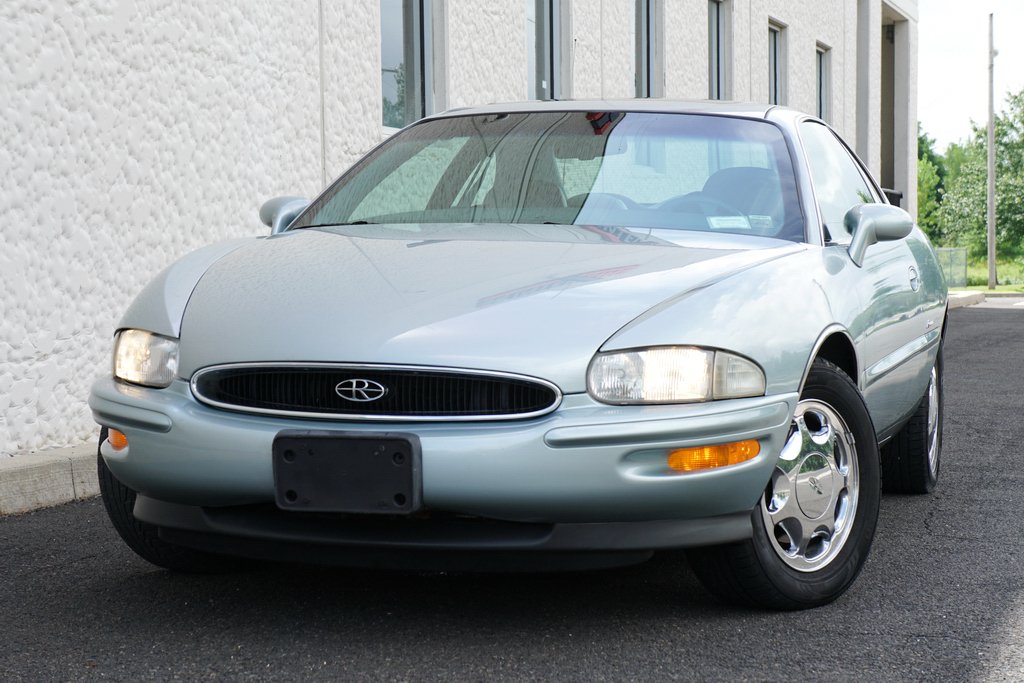

A garage can look reassuring before it has answered a single useful question. Fresh paint, good lighting, perhaps something Italian near the entrance. All pleasant. Your car will still need someone to notice a leak on a wet Tuesday.
Choosing classic car storage starts with a less glamorous exercise: deciding how you actually use the car. Then finding a place, and a routine, that fit.
Start with your calendar
Will the car stay put until spring, or might you want it next Sunday? Write down the likely storage period and how often you expect to collect it. Be honest about the distance you will travel. A beautiful facility that requires half a day to visit may quietly turn a driving car into a distant possession.
Ask about collection hours, notice periods, weekend access and charges for retrieving the car. Find out whether you can reach it yourself or whether staff must move other vehicles first. Check what happens when you return later than planned.
These are ordinary questions. They become considerably more interesting when the sun comes out.
Look beyond the thermostat
“Climate-controlled” deserves a follow-up. Ask what the operator controls, what it measures, where readings are taken and who responds when conditions drift. A heating system alone does not tell you how damp the building gets.
Look for signs of water entry and ask about drainage, previous flooding and the emergency plan. Chubb’s collector-car guidance highlights controlled access, fire and burglar detection, and stable temperature and humidity. Those are useful subjects for a tour, rather than features to assume from the brochure.
Ask who holds the keys, who may move the car and how that movement is recorded. Where are visitors allowed? Who receives an alarm overnight? A camera records an event; ask what happens next.
Put responsibility in writing
Request the storage agreement before committing. Establish which services the fee includes, which cost extra, and who must approve work. “We look after everything” leaves quite a lot to discuss.
Send the proposed arrangement to your own insurer or broker. Ask about the storage address, theft, fire, water damage and damage while staff move the vehicle. Ask the operator for written details of its insurance and have your adviser explain how the policies interact, including relevant limits, exclusions and deductibles.
Do not assume a building’s insurance covers the car inside it. Hagerty specifically warns owners against relying on homeowners insurance for vehicle damage simply because the car is in a garage. Your actual policy wording matters.
Give the car its own instructions
Prepare a short handover sheet: starting procedure, known faults, alarm instructions, battery details and your contact number. Take dated photographs and record mileage with the operator.
Agree on a storage plan suited to the particular vehicle and intended lay-up. Fuel, tires, fluids and battery care deserve advice from the handbook or a specialist familiar with the car, rather than a universal ritual.
If a maintainer will be used, confirm that the equipment and selected mode suit the battery chemistry and voltage. CTEK warns against mixing lithium and lead-acid charging modes. Also establish who checks the connection and responds to a fault.
Make the routine small enough to keep
Set an inspection schedule you and the operator can realistically follow. Ask for a brief record of checks and prompt notice of leaks, dampness, pests or charging faults. Keep the agreement, photographs and contact details together.
Before collection, confirm what preparation is needed and that your insurance suits the intended journey.
Good storage should leave fewer unanswered questions. Preferably enough fewer that, when a suitable Sunday arrives, the main decision is where to drive.
Sources
Chubb, “Is Your Classic Car Being Properly Stored? Use This Checklist to Find Out”: https://news.na.chubb.com/blog-2023-04-14-Is-Your-Classic-Car-Being-Properly-Stored-Use-This-Checklist-to-Find-Out
Hagerty, “Your Guide to Classic Car Storage Insurance”: https://www.hagerty.com/resources/insurance-guides/your-guide-to-classic-car-storage-insurance
CTEK, lithium and lead-acid charging-mode guidance: https://help.ctek.com/it/us-0.8/Can-I-use-the-Lithium-mode-to-charge-a-lead-acid-battery-or-use-a-lead-acid-mode-to-charge-a-lithium-battery-e3d1
Reference: Cover photograph license: Creative Commons Attribution 4.0.