
A classic car can make a perfectly sensible adult forget how arithmetic works. The paint glows. The exhaust burbles. Suddenly, the seller's explanation that the paperwork is "somewhere in a box" sounds entirely reasonable.
It isn't. Somewhere in a box is where Christmas decorations live. A car's identity deserves a better filing system.
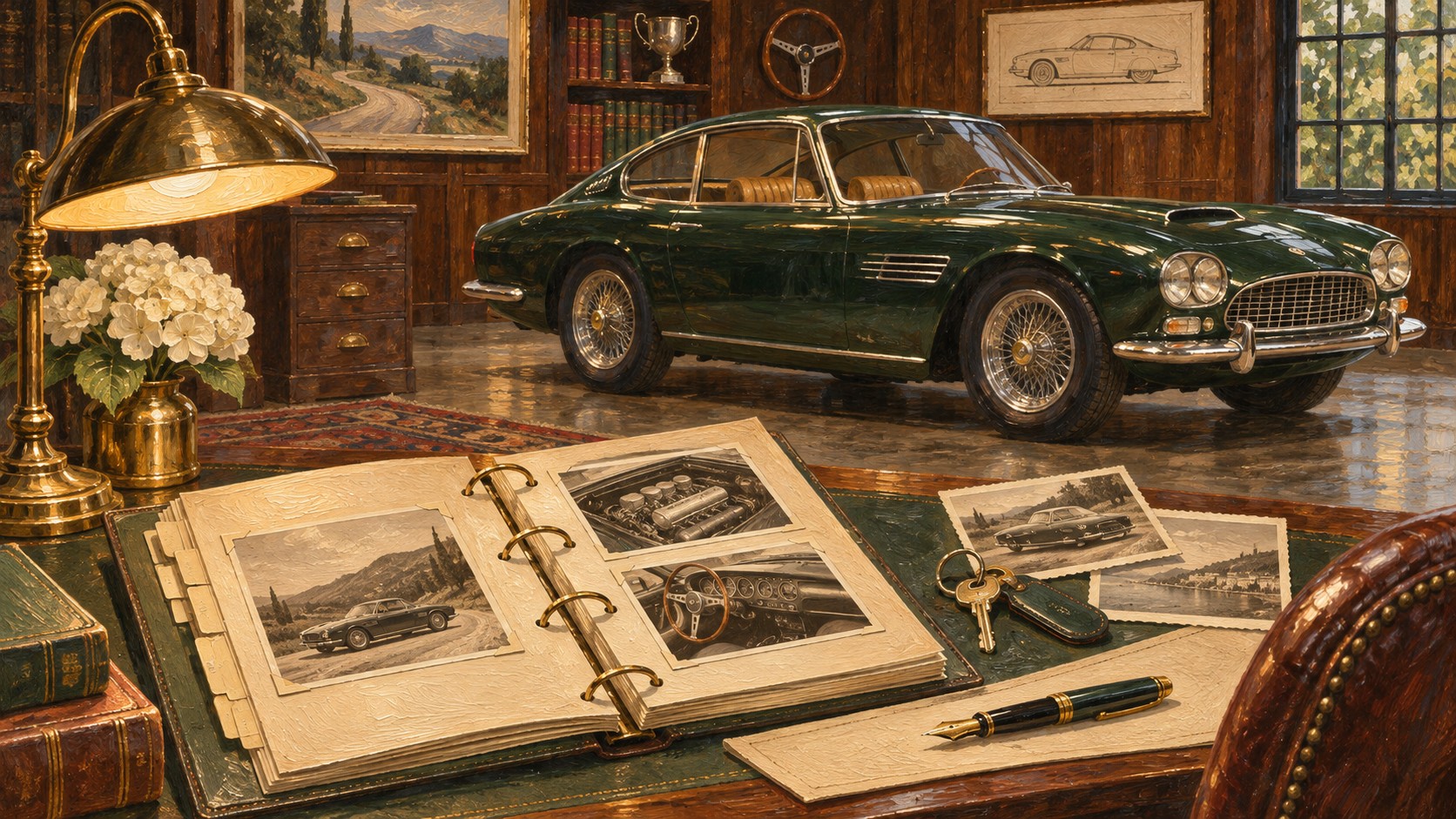
Before buying or selling a collector car, assemble two distinct records: the documents needed to transfer ownership and the evidence supporting its history. A handsome binder cannot cure a defective title, and a title alone cannot prove that a famous driver once raced the car.
Start with ownership
Match the vehicle's identification to its paperwork. Confirm the seller has authority to sell, and investigate liens, missing signatures or gaps in the ownership chain before money changes hands. Record the agreed price, vehicle identity, included equipment and representations in the sale documents. Keep copies. Resolve discrepancies before committing to a purchase price. Nobody wants to discover that the spare wheels belonged to the seller's cousin after the transporter leaves.
Transfer requirements depend on jurisdiction and vehicle circumstances. California, for example, specifies buyer and seller deadlines, along with required transfer documentation. Check the relevant motor vehicle agency rather than treating a handshake as a government department.
Make the history earn its keep
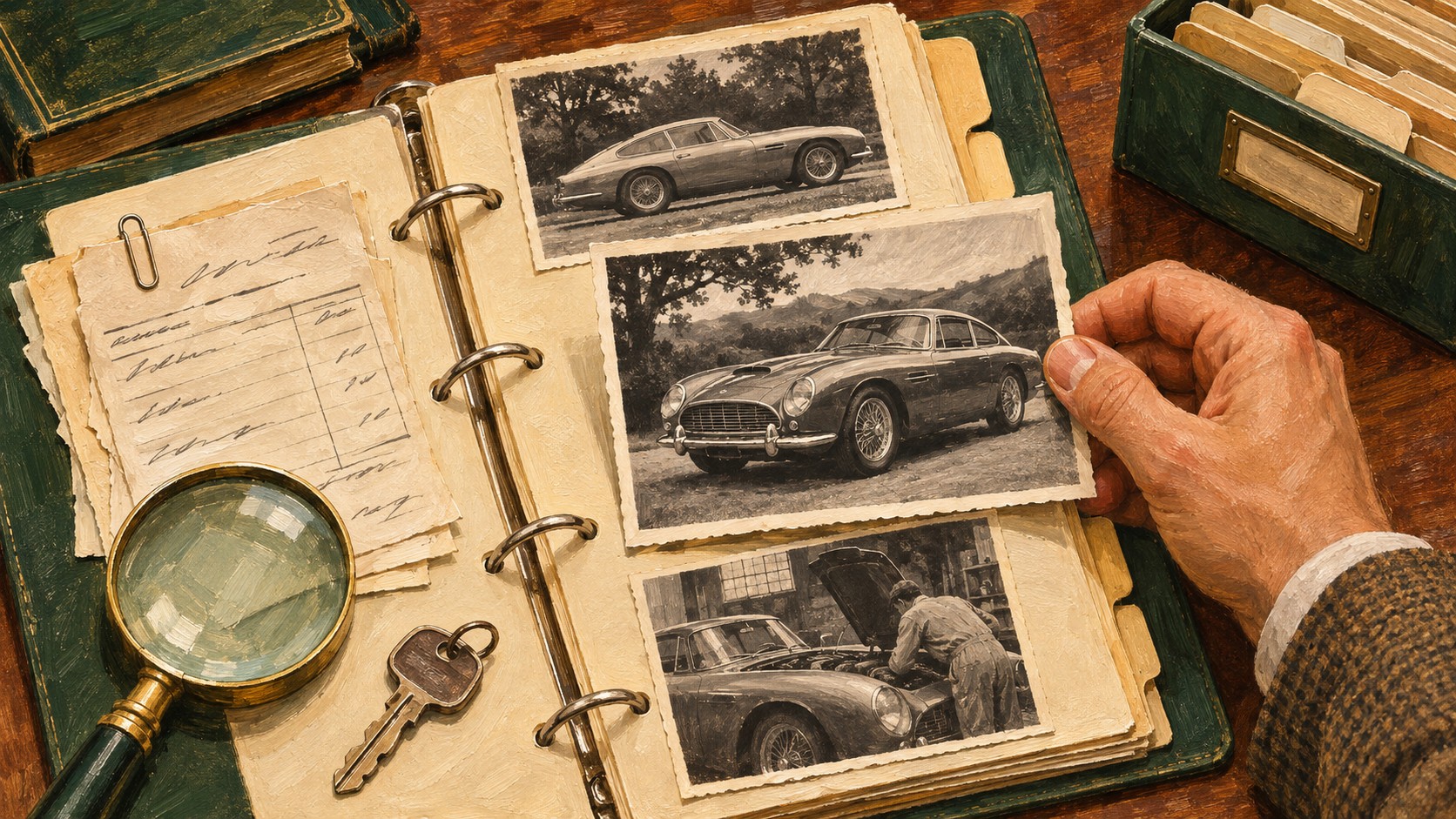
Collect factory records, build sheets, original invoices, service receipts, restoration photographs and correspondence. Put them in chronological order. Identify who performed work, when it happened and what changed. Hagerty recommends preserving maintenance records, including receipts and a log when you do the work yourself.
A restoration invoice explains expenditure. It does not automatically establish factory originality. Likewise, a certificate describing how a car left the factory may not establish what is fitted today. Have a knowledgeable independent specialist compare important claims with the actual vehicle.
Celebrity ownership and competition history deserve particular scrutiny. Seek dated, attributable evidence that connects this specific chassis to the claimed person or event. An old photograph of a similar red car is a conversation starter. So is a conspiracy podcast. Neither should determine your purchase price.
Record uncertainties honestly. Reproductions should be identified as reproductions; undocumented stories should remain undocumented stories. Do not upgrade a previous owner's recollection into historical fact simply because the asking price now contains another zero.
Preserve it, then pass it on
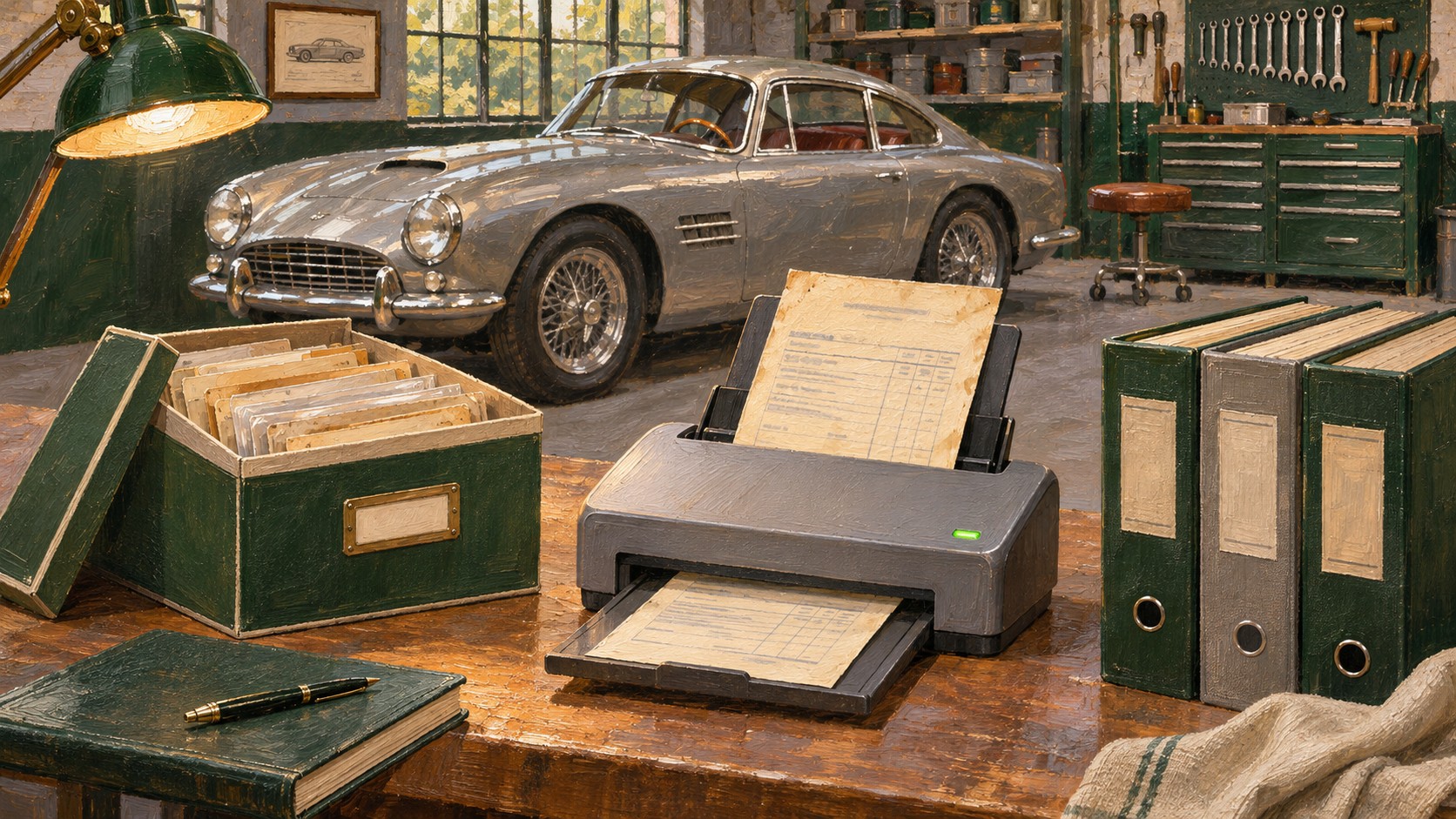
Scan the file, retain the originals and keep backed-up copies separately. Redact unrelated personal information from public sales material. At handover, use an inventory so both parties know which documents, photographs, keys and spare parts changed hands.
A vehicle-history report can help reveal title brands and reported odometer information, but the federal NMVTIS system cautions that missing records can produce incomplete results. It is one check, alongside physical inspection and documentary research, rather than an all-clear certificate for fifty years of adventures.
Good paperwork helps a buyer evaluate the claims and helps a seller explain the car without interpretive dance. It also preserves something worth keeping: the record for the next caretaker.
Polish the paint. Tune the engine. Then organize the folder. Horsepower gets the attention. Evidence survives the sales pitch.
Sources: California DMV: private-party transfers; NMVTIS consumer guidance; Hagerty: preserving maintenance records; Hagerty: classic-car research.
General buyer-and-seller guidance, not legal advice. Consult your local motor vehicle authority and qualified advisers about your transaction.
Related reading: Read the Folder Beside the Jaguar.
Reference: California DMV: private-party vehicle transfers.