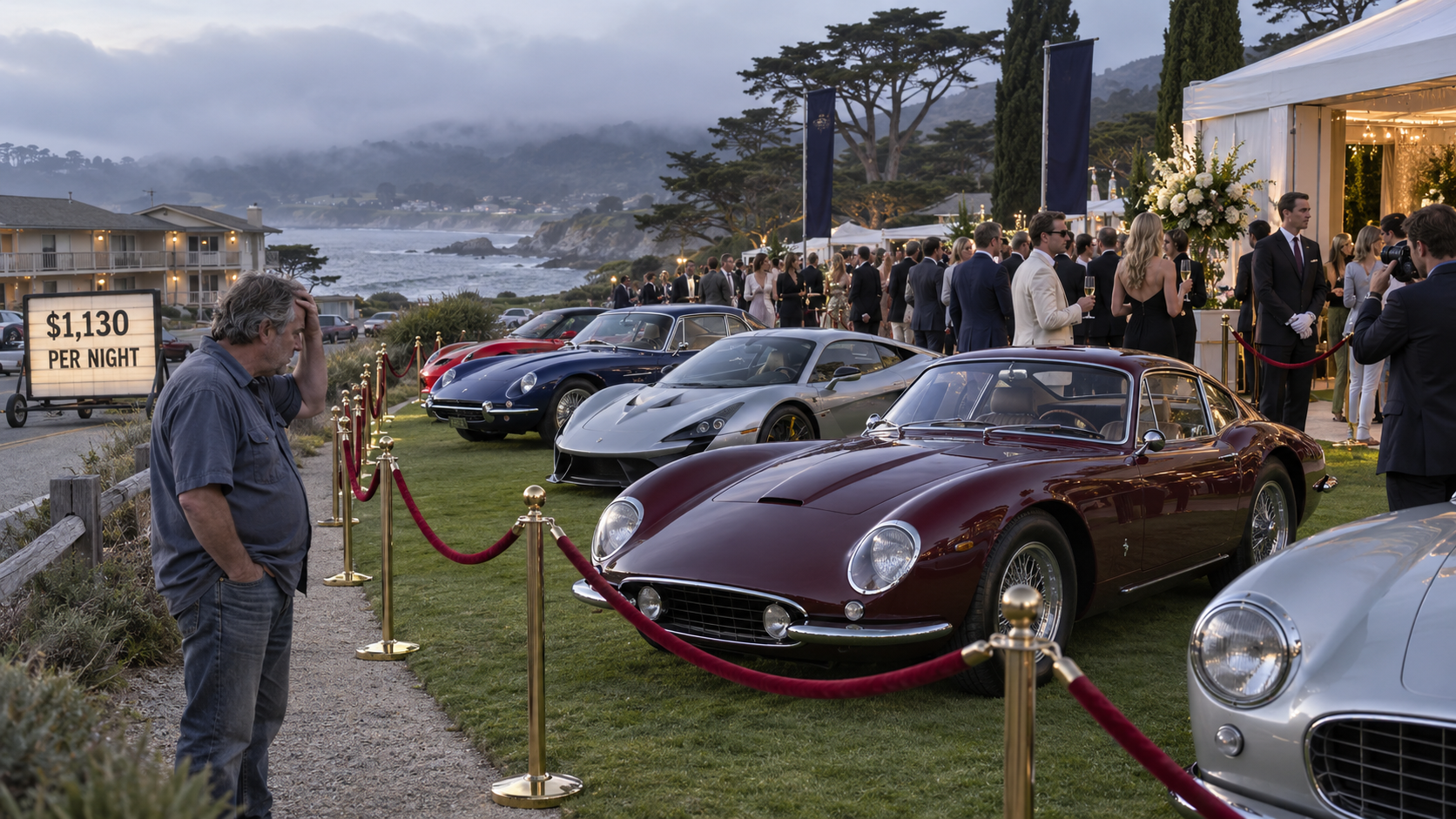

During Car Week in 2025, the Monterey Motel 6 reportedly offered its final Friday-night room for $1,130. The usual price was around $150. That had better be one hell of a continental breakfast.
Monterey Car Week started in a very different place.
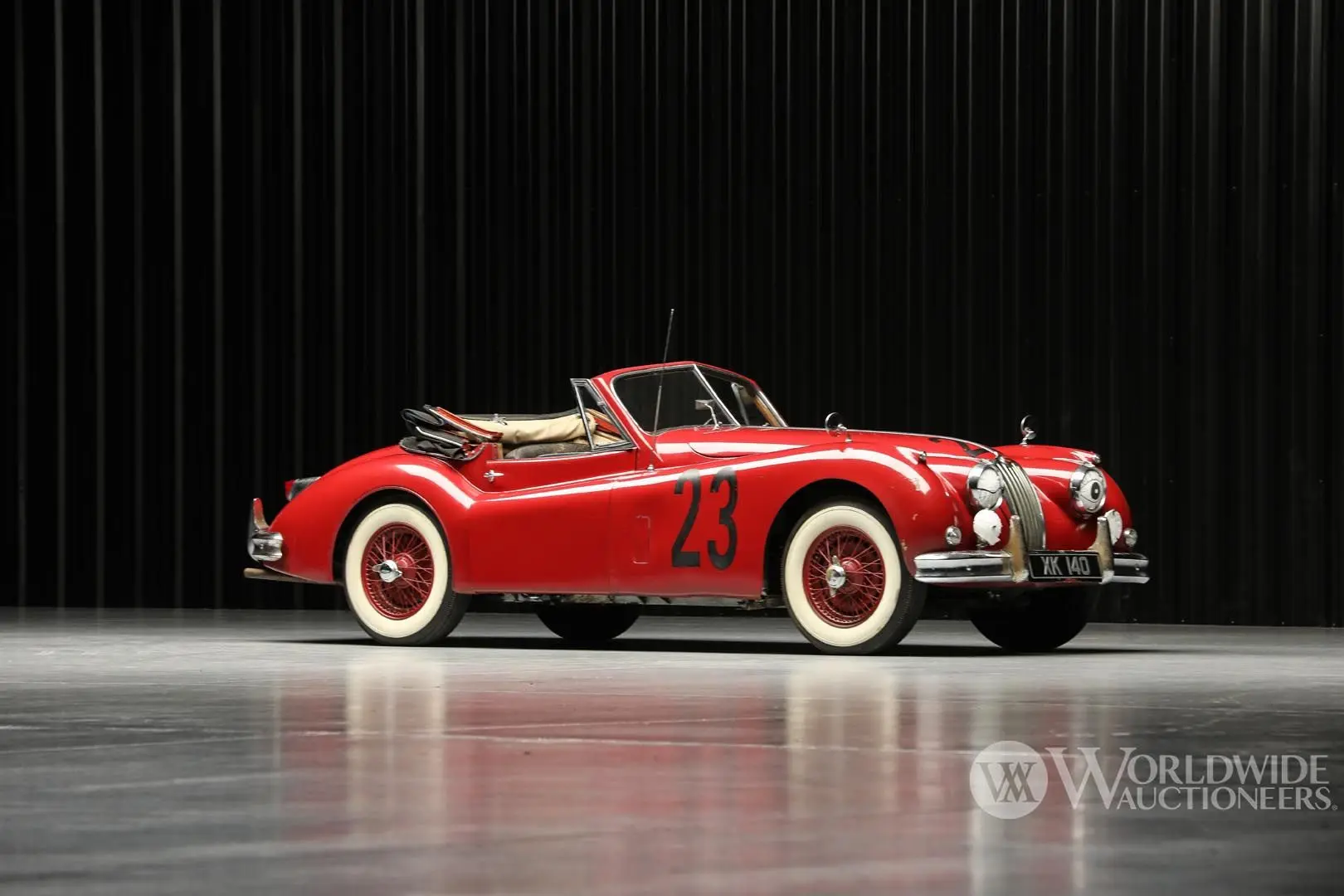
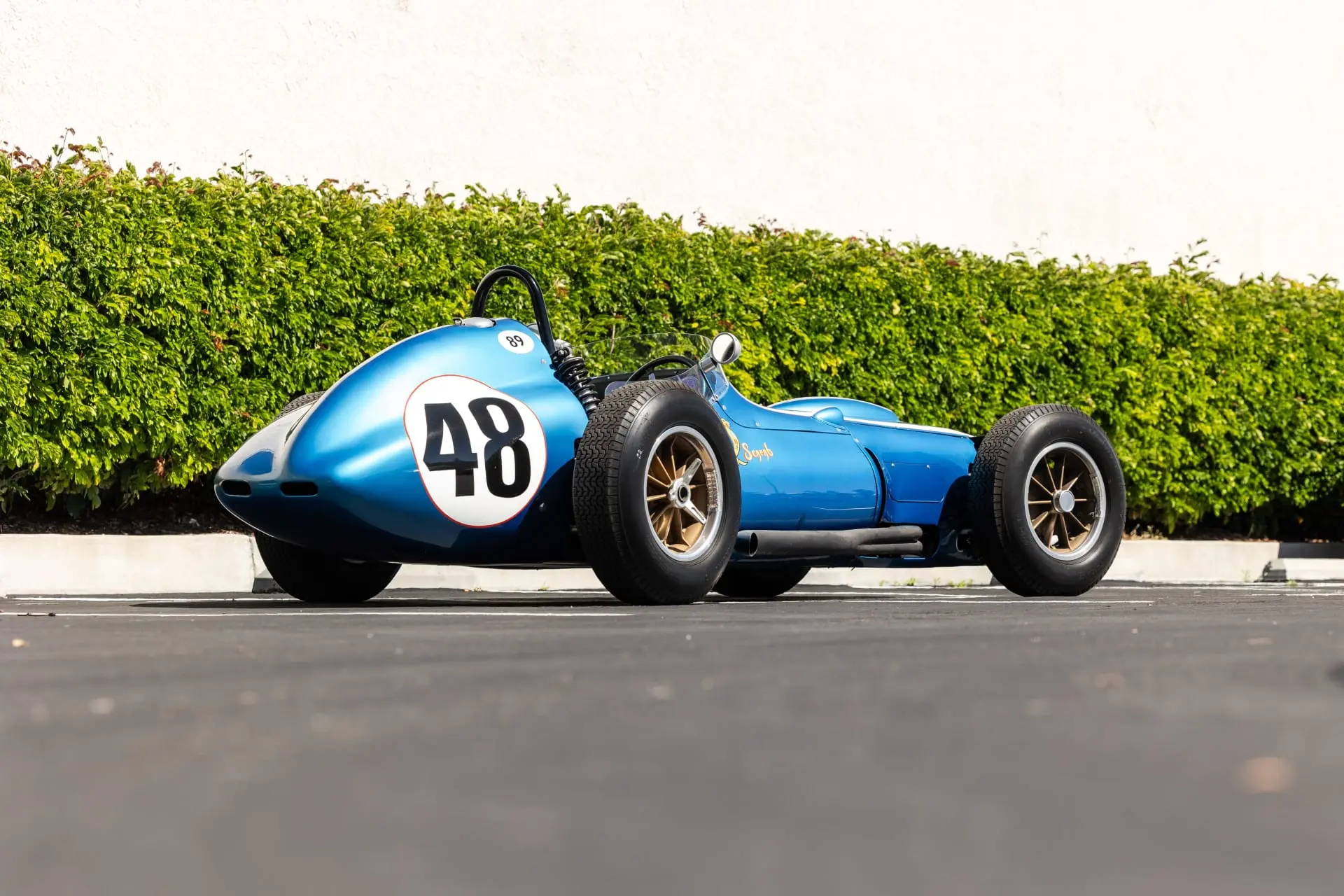
On November 5, 1950, roughly 10,000 people lined a 1.8-mile course through the Del Monte Forest for the first Pebble Beach Road Races. The barriers were snow fencing and hay bales. Phil Hill won in his own Jaguar XK120 after needing a push start. The Concours d’Elegance happened alongside the races, but it was the supporting act. The race was the show. (Pebble Beach history)
It wasn’t exactly a blue-collar barbecue. Pebble Beach had money around it from day one. But the atmosphere centered on cars, drivers and competition. People stood beside the road, watched sports cars hammer through the trees and went home with dust in their hair. The first admission charge for the Concours reportedly didn’t arrive until 1961, when organizers requested a one-dollar donation.
Compare that with today.
A general-admission ticket to the Pebble Beach Concours now approaches $500. A ticket to The Quail was $1,595 in 2025—and sold out. That gets you onto the lawn, where you can admire multimillion-dollar cars while eating gourmet food beside a man explaining how difficult it was to get the correct paint-to-sample color for his new Porsche.
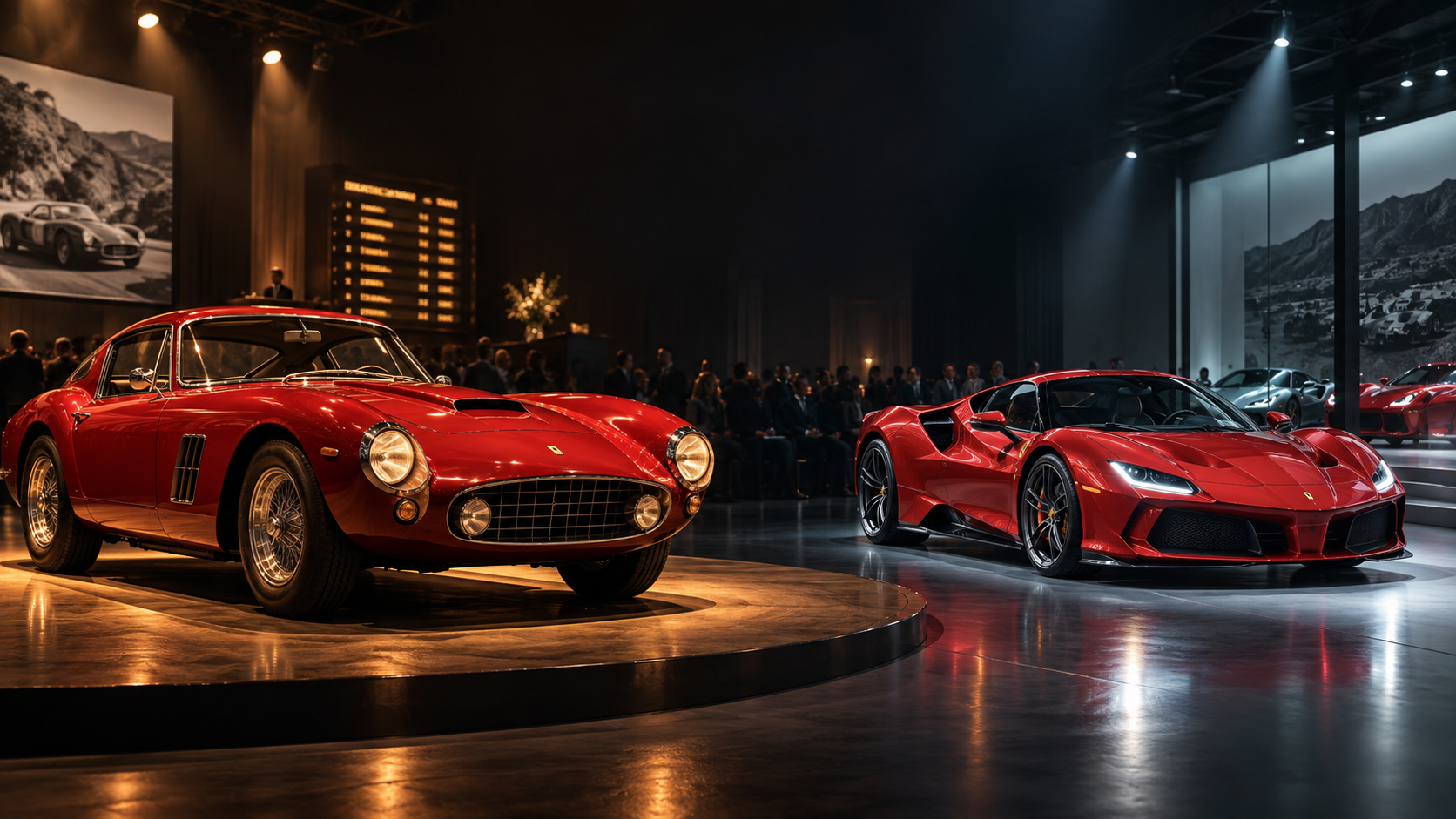
Then come the auctions. In 2026, Monterey’s five major auction houses reportedly moved roughly $755 million worth of cars. The average sale was close to $886,000. One Shelby Cobra Daytona Coupe sold for nearly $43 million. At that level, nobody is kicking tires. They are moving international assets with license plates.
Somewhere along the way, Car Week became a ten-day financial dick-measuring contest with valet parking.
The cars remain extraordinary. That’s what makes the whole thing frustrating. You can stand six feet from a prewar Alfa Romeo, a Ferrari competition car or a coachbuilt Delahaye that rarely leaves a private collection. Then someone blocks your view while filming himself pretending to discover it for the first time.
Half the crowd appears to be working. Influencers, photographers, public-relations crews, brokers, auction representatives and manufacturers introducing another 1,500-horsepower hypercar available to 14 carefully selected billionaires. Everybody has a credential around his neck. Everybody is “hosting” something. Nobody seems to be looking at the cars.
Outside the velvet ropes, the peninsula is choking.
Traffic becomes miserable. Restaurants are packed. Locals plan their lives around road closures. Police add officers and announce zero tolerance for speeding, street racing, illegal exhausts and reckless driving. Monterey County even produces maps to help residents avoid the mess.
Highway 1 gets its own parade of rented exotics, social-media stunts and drivers confusing horsepower with talent. Recent complaints from Big Sur residents have included high-speed runs, doughnuts, blocked roads and concerns about emergency vehicles getting through. That’s a long way from Phil Hill threading an XK120 between hay bales.
There are still pieces of the week worth defending. The Pebble Beach Tour d’Elegance can be viewed for free. Concours Village remains open to the public. Laguna Seca can still deliver the sound, smell and physical punch that brought people to Monterey in the first place.
But the larger event has become exhausting. Too expensive, too crowded, too exclusive and far too impressed with itself.
Car Week once gave ordinary people access to extraordinary machinery. Today, it frequently feels like those people are permitted to stand outside and watch the wealthy congratulate one another.
The cars deserve better. Frankly, so do the people who came to see them.