
British Racing Green sounds wonderfully official, as though a committee once settled on a single shade and issued every British racing team the same tin. The truth is better. It was a national color, an evolving tradition and, eventually, a name applied to greens that did not always agree with one another.
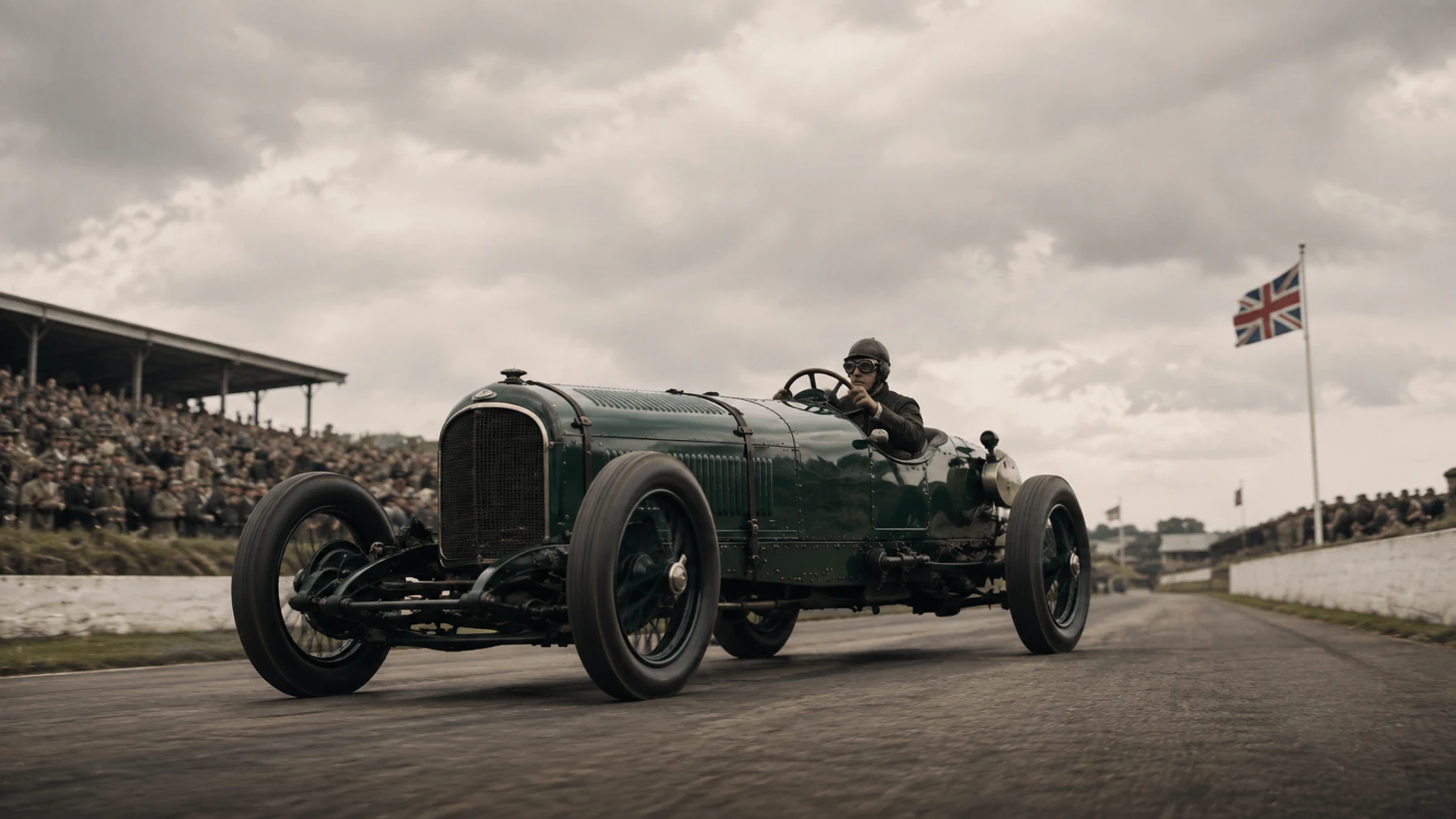
The story begins when nations were identified by color in early international motor racing. Britain became associated with green, and the connection grew stronger as British manufacturers and teams carried different dark and bright interpretations onto circuits around the world.
That variation is the point. A Bentley green, a Jaguar green and the shade on a later road car can all belong to the same family without sharing one formula. Period photographs complicate the matter further. Film stock, processing, weather and reproduction can turn one paint finish into several apparent colors before the image reaches us.
By the time Jaguar, Aston Martin, Lotus and other makers helped turn racing green into a road-car aspiration, the phrase had become larger than a paint code. It suggested British speed, long bonnets, leather interiors and machinery built for a damp morning that might clear by lunch.
Modern manufacturers still use the name because buyers understand the reference before they inspect the sample. The emotional color is consistent even when the pigments are not. That is why arguments over the correct British Racing Green can go on indefinitely and remain enjoyable.
For an owner restoring a particular car, romance eventually has to give way to evidence. Study protected areas, original records and manufacturer information. Match the car and its period rather than a generic label on a modern color chart.
For everyone else, the useful answer is simpler: British Racing Green is not one green. It is a century of British competition distilled into a name, and every convincing version carries a little of that history.